





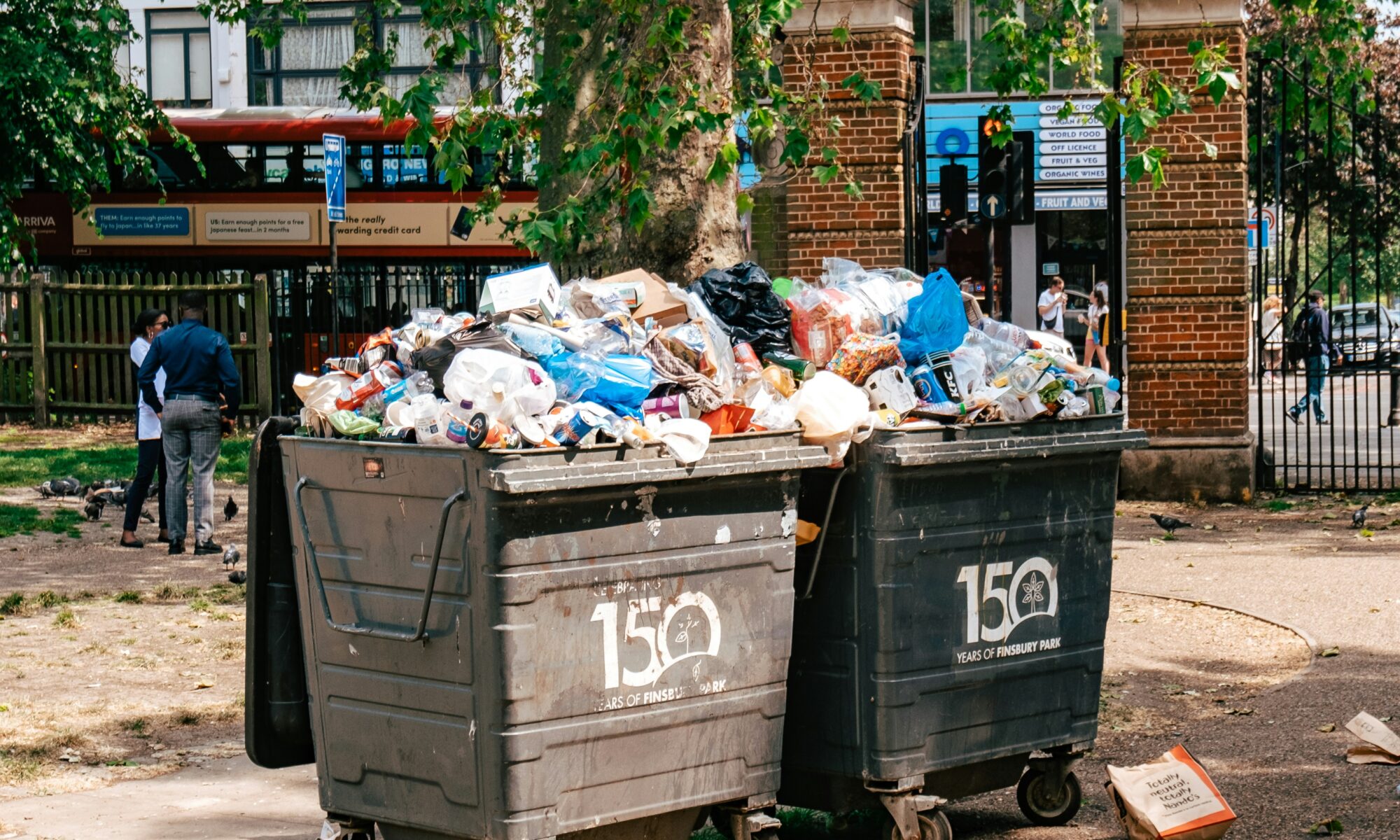
In today’s environmentally conscious world, the responsibility of managing waste efficiently has become a priority for businesses of all sizes.
From small startups to large corporations, the issue of waste disposal is a pressing concern, particularly in urban environments like London. The focus on commercial waste removal in London has intensified, leading businesses to explore various strategies for effectively managing their waste.
Understanding Commercial Waste
Before diving into how businesses get rid of waste, it’s essential to understand what constitutes commercial waste. Commercial waste is any rubbish generated during business activities. This can include packaging materials, old office furniture, electronic waste, and even food waste from cafes and restaurants. The disposal of this waste can significantly impact the environment, which is why proper commercial waste removal in London is crucial.
The Importance of Waste Management
Effective waste management is more than just compliance with local regulations; it is increasingly linked to a company’s reputation and operational efficiency. Poor waste disposal practices can lead to fines and legal issues, not to mention harm to the environment and community. Conversely, well-managed waste processes can lead to cost savings, improve business efficiency, and elevate a company’s public image.
Steps in Commercial Waste Removal
- Waste Audit
The first step in commercial waste removal is conducting a waste audit. This helps businesses understand what types of waste they generate and how much. By identifying the sources and types of waste, companies can develop targeted strategies for reduction, recycling, and proper disposal. - Reducing Waste Generation
One of the most effective ways to manage waste is to reduce its generation at the source. Businesses can implement practices such as minimising packaging or going paperless wherever possible. Engaging employees in waste reduction initiatives can foster a culture of sustainability within the organisation. - Recycling and Reusing
Recycling is a critical component of waste management. Many materials can be recycled, including paper, plastics, and metals. Businesses can work with local recycling firms or opt for commercial waste removal services in London that provide recycling options. Additionally, reusing materials, such as refurbishing old furniture or donating unused items, can significantly reduce the amount of waste sent to landfills. - Proper Disposal of Non-Recyclable Waste
Once recyclable materials are sorted, the remaining waste must be disposed of properly. This is where commercial waste removal companies come into play. These companies specialise in the safe and responsible disposal of hazardous and non-recyclable waste, ensuring compliance with local laws and regulations. When selecting a commercial waste removal service in London, businesses should consider factors like reputation, reliability, and their environmental policies. - Partner with Waste Management Services
Many businesses choose to partner with professional waste management services to streamline their waste disposal processes. In London, numerous companies specialise in commercial waste removal, offering tailored services that suit the specific needs of different industries. These partnerships can save time, reduce costs, and improve compliance with waste disposal regulations.
Environmental Considerations
The impact of waste on the environment is significant, especially in densely populated areas like London. This necessitates that businesses be proactive in managing their commercial waste removal. By adopting eco-friendly practices, such as utilising renewable materials or engaging in local resource recovery programs, companies can contribute to a healthier planet.
Final Thoughts
In conclusion, the need for effective commercial waste removal in London is more pressing than ever. As businesses navigate the complexities of waste management, understanding the importance of reducing, reusing, and recycling can lead to more sustainable operations.
By taking a systematic approach to waste disposal, conducting waste audits, and partnering with reliable waste management services, businesses can not only mitigate their environmental impact but also enhance their brand reputation.
It is the collective effort of businesses to embrace responsible waste management practices that will lead to a cleaner, more sustainable future.